The story of the Benaki Museum begins with Anthony Benakis, a visionary Greek art collector. In 1931, Benakis donated his extensive collection to the Greek state, transforming his family mansion into a haven for art and history. This act of generosity laid the foundation for what would become one of Greece’s most important cultural institutions.
Housed in a neoclassical building on Koumbari Street, the museum’s architecture is a testament to Greek aesthetics. The elegant façade invites visitors to step inside and journey through time.
A Chronological Odyssey
Upon entering the Benaki Museum, visitors find themselves traversing epochs. The ground floor showcases artifacts from Greece’s prehistoric era, guiding guests through ancient civilizations that shaped the nation’s identity. Exquisite pottery, intricate jewelry, and tools from daily life paint a vivid picture of society’s long past.
Ascending to the first floor, the narrative progresses to the Byzantine period. Here, religious icons, manuscripts, and ecclesiastical treasures reveal Christianity’s profound impact on Greek culture. The artistry displayed in these works speaks volumes about the spiritual devotion and artistic mastery of the time.
The Ottoman Era and Beyond
The museum does not shy away from complex historical periods. Its second floor explores Greece under Ottoman rule, showcasing a blend of influences that characterized this era. Traditional costumes, weaponry, and domestic items illustrate the resilience of Greek identity amidst foreign domination.
As visitors reach the third floor, they encounter the Greek War of Independence and the birth of the modern Greek state. Portraits of revolutionaries, historical documents, and personal effects of key figures bring this pivotal period to life, reminding us of the sacrifices made for freedom.
Modernity and Artistic Expression
The Benaki Museum’s commitment to showcasing the entirety of Greek cultural evolution shines through in its modern art collection. Works by prominent Greek painters and sculptors of the 19th and 20th centuries adorn the walls, reflecting the nation’s artistic renaissance and engagement in global movements.
Beyond the Main Building
The Benaki Museum’s influence extends beyond its main site. Satellite museums focus on specific themes:
- The Benaki Museum of Islamic Art: Located in Kerameikos, this branch houses an impressive collection of Islamic treasures and fosters cross-cultural understanding.
- The Nikos Hadjikyriakos-Ghika Gallery: Dedicated to the renowned Greek artist, this space celebrates modernism and the avant-garde.
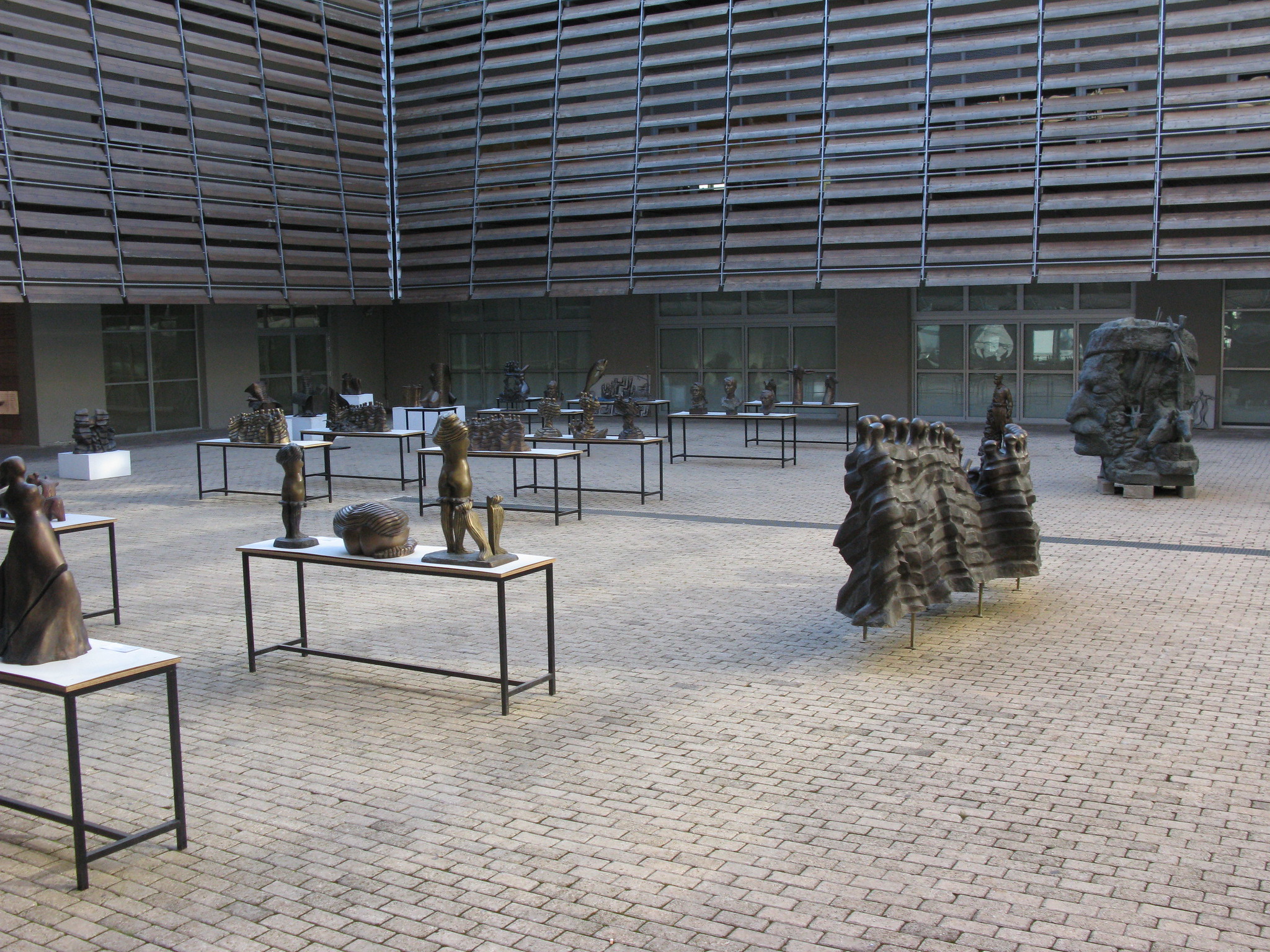
- The Yannis Pappas Studio: Offering insight into the sculptor’s creative process, this museum preserves his workshop and artworks.
Events and Education
The Benaki Museum is not just a static display of artifacts; it’s a living, breathing cultural hub. Regular exhibitions, lectures, and workshops engage the public, making history and art accessible. Educational programs cater to school groups, ensuring that younger generations connect their heritage.
The museum’s library and archives provide invaluable resources for researchers and scholars, contributing to ongoing academic discourse on Greek history and art.
The Benaki Museum stands as a bridge, connecting us to those who came before, grounding us in a shared human experience, and reminding us that understanding our past illuminates the path to our future. It is, without doubt, a jewel in Athens’ crown, waiting to be discovered by every curious traveler.