
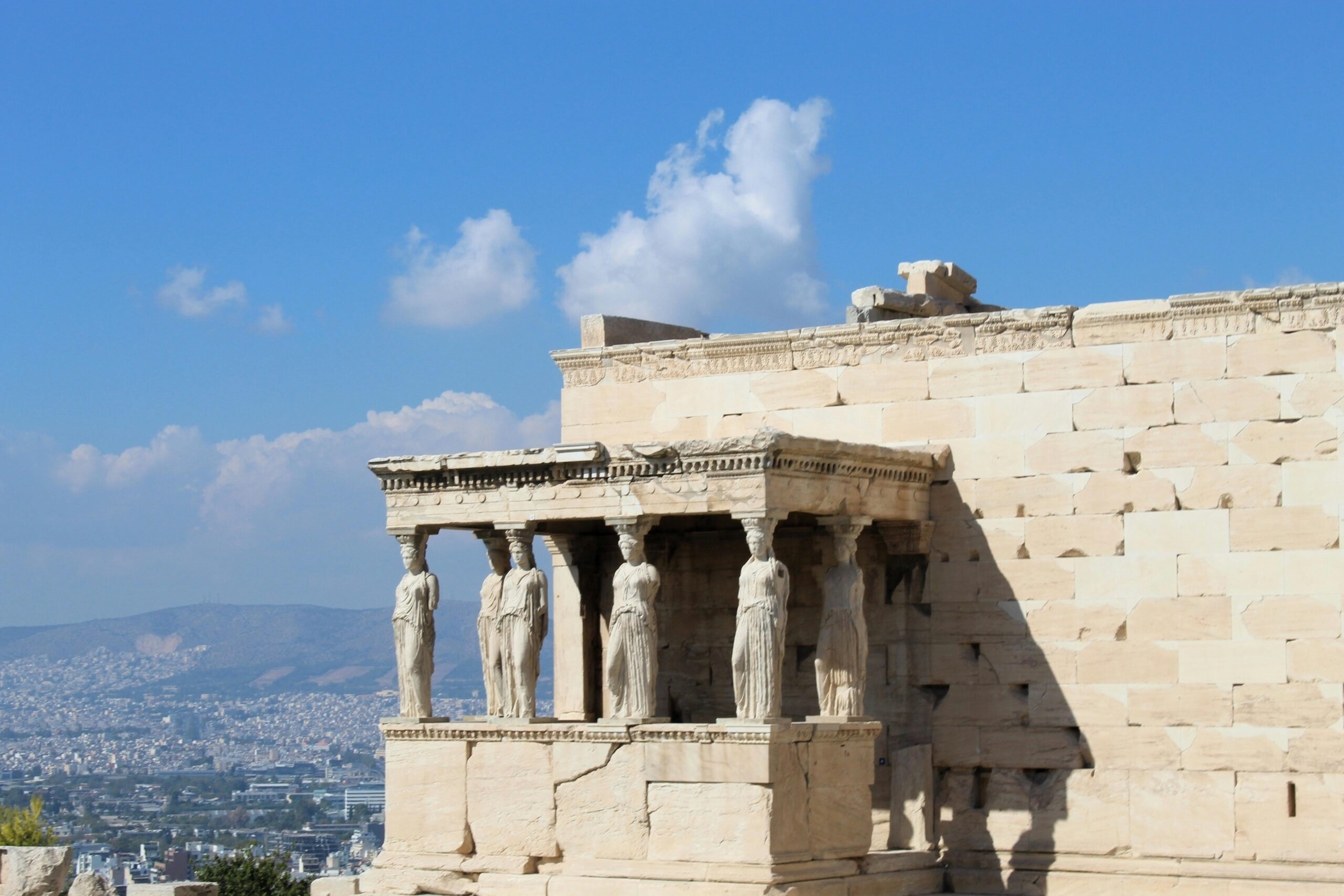
Perched high above Athens, the Acropolis stands as an enduring symbol of ancient Greek glory, captivating visitors from across the globe. This iconic citadel, home to magnificent monuments, offers a fascinating glimpse into the rich tapestry of history, art, and architecture that shaped Western civilization.
As you approach the Acropolis, prepare for an awe-inspiring journey through time. The winding path leading uphill transports you back thousands of years, each step bringing you closer to one of humanity’s most remarkable achievements. The natural plateau, rising 150 meters above sea level, served not only as a strategic vantage point but also as the sacred heart of Athens.
Your exploration begins at the Propylaea, the monumental gateway the visionary architect Mnesicles designed. This impressive structure, constructed entirely of Pentelic marble, once controlled access to the sanctuary. Today, it welcomes visitors into a world where myth and reality intertwine. Marvel at the elegant Doric columns supporting a pediment adorned with intricate sculptures.
Dominating the Acropolis skyline, the Parthenon is an architectural masterpiece dedicated to Athena, the city’s patron goddess. Built during Athens’ Golden Age under Pericles’ rule, this Doric temple embodies harmony, proportion, and unparalleled craftsmanship. Despite centuries of turbulence, its timeless beauty persists.
Gaze upon the fluted columns, each subtly curved to create an optical illusion of absolute straightness. Admire the metopes depicting mythological battles and the famed Parthenon frieze, which once showcased an elaborate procession honoring Athena. Though many original sculptures now reside in museums worldwide, their absence only heightens the reverence for what remains.
From atop the Acropolis, breathtaking vistas unfold. Ancient Athens sprawls before you: the Theater of Dionysus, birthplace of Greek drama; the towering columns of the Temple of Olympian Zeus; the bustling Ancient Agora, once the city’s commercial and political hub.
Yet modernity beckons, too. The sprawling metropolis of contemporary Athens stretches to the horizon – a vibrant testament to Greece’s enduring spirit. This juxtaposition of old and new offers a poignant reminder: we stand upon the shoulders of giants, our present built upon foundations laid millennia ago.
Preserving an Irreplaceable Legacy
The Acropolis has weathered literal and figurative storms throughout its long history. Wars, earthquakes, looting, and the ravages of time have all left their mark. Today, extensive restoration efforts strive to safeguard this UNESCO World Heritage site for future generations.
Scaffolding may occasionally obscure portions of monuments, but consider it a small price for eternity. Each carefully replaced stone, each painstakingly conserved relief, ensures that the Acropolis will continue inspiring wonder long after we are gone.
When to Visit: Chasing Golden Hours
The Acropolis casts its spell year-round, but timing can enhance your experience. Summer months bring extended opening hours, allowing for magical sunset visits when the marble glows honey-gold. However, crowds swell, and midday heat can be intense. Spring and autumn offer milder temperatures and gentler throngs.
Early mornings provide tranquil moments before tour groups arrive. As dawn’s rosy fingers caress age-old stone, you might feel the presence of Athena herself stirring. Alternatively, plan an afternoon visit to watch lengthening shadows play across weathered surfaces, culminating in a soul-stirring Athenian sunset.
So ascend those time-worn steps, feel the Mediterranean breeze upon your face, and let the Acropolis weave its eternal spell. In this sacred place where heaven meets earth, you’ll discover not just the soul of Athens but perhaps a piece of your own.